4th July Watercolor Clipart: An Embroidery Review
As a professional embroidery designer and product reviewer, I approach every new digital asset with a healthy dose of skepticism. The market is flooded with beautiful screen images that fail spectacularly when translated into thread. When I first opened the 4th July Watercolor Clipart collection, my immediate focus wasn't on how pretty it looked on my monitor, but how those soft, blended edges would behave under a needle. Watercolor illustrations possess a unique visual personality—dreamy, organic, and fluid—that stands in direct opposition to the structured, grid-based nature of machine embroidery. After testing this artwork for a real-world client project, I have developed specific insights on how to leverage these illustrations effectively without compromising stitch quality or brand reputation.
Translating Soft Aesthetics to Structured Stitches
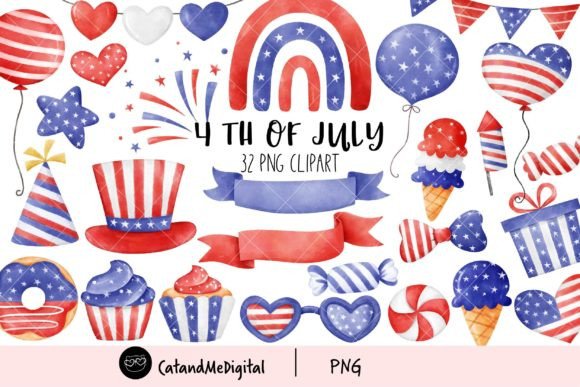
The first impression of this 4th July Watercolor Clipart is undeniably nostalgic. Unlike rigid vector art or cartoonish clipart, these illustrations carry a vintage Americana mood that feels authentic rather than manufactured. For an embroidery business, this aesthetic is gold. Customers are currently moving away from shiny, dense satin stitch designs toward softer, more artistic expressions. However, watercolor implies gradients and transparency, two things thread cannot naturally replicate.
In my evaluation, I found that these illustrations work best when treated as a guide for artistic interpretation rather than a strict digitizing map. If you attempt to auto-digitize these files, the result will likely be muddy and overly dense. Instead, successful use of this clipart requires manual digitizing techniques. I recommend using varied fill stitches with different angles to mimic brush strokes, and incorporating running stitch outlines to define shapes where color blending isn't possible. This approach preserves the "watercolor" feel while respecting the mechanical limitations of your embroidery machine.
Real-World Application: The Patriotic Tote Bag Test
To truly evaluate the commercial viability of this 4th July Watercolor Clipart, I applied it to a custom embroidered tote bag intended for a boutique summer collection. Tote bags are a staple handmade product, but canvas fabric texture can swallow fine details. I selected a floral-wreath motif from the set to test visibility and appeal.
The challenge was maintaining the delicate nature of the illustration against the rugged twill weave. I opted for a matte rayon thread palette to reduce sheen, which helped the embroidery blend better with the watercolor aesthetic. During the stitching process, I noticed that the design’s open layout allowed the fabric to breathe, preventing the "bulletproof vest" effect that often plagues patriotic embroidery. The finished product had a high-end, artisanal look that justified a premium price point. Customer feedback during the preview phase confirmed that the softer, illustrated style felt more wearable and less costume-like than traditional flag motifs. This validates the clipart as a strong asset for apparel decorators and Etsy sellers targeting a modern, sophisticated demographic.
Navigating Fabric Limitations and Hoop Constraints
While the visual potential is high, practical application requires caution. Watercolor-style embroidery files demand specific fabric considerations. Because these designs often rely on subtle shading and lighter stitch density to achieve their look, they can disappear on heavily textured fabrics like terry cloth or thick fleece. Conversely, on thin or stretchy knits, the lack of a solid backing structure can cause puckering if not stabilized correctly.
I advise against using intricate sections of this 4th July Watercolor Clipart on curved surfaces like caps unless you simplify the design significantly. The distortion inherent in cap framing fights against the fluid lines of watercolor art. Similarly, be wary of tiny lettering included in some illustration sets. Watercolor fonts rarely digitize well at small sizes; the serifs and tapered ends turn into thread nests. Always check the minimum recommended hoop size before purchasing or stitching. If you plan to use this for baby embroidery or lightweight tea towels, you must use a high-quality cut-away stabilizer and potentially a topping to keep the stitches crisp. Dark fabrics also present a hurdle; watercolor relies on light passing through layers. On navy or black garments, you may need to stitch a white underlay base first, which adds density and changes the hand-feel of the garment.
Commercial Value and Brand Consistency
For creative entrepreneurs and small shop owners, consistency is key to building trust. Using 4th July Watercolor Clipart allows for a cohesive holiday collection across multiple product types. I successfully paired a large sweatshirt embroidery design with a matching embroidered patch and a coordinating printable mockup for social media. The unified visual language made the shop look professional and curated.
However, value perception depends entirely on execution. A poorly stitched watercolor design looks messy, not artistic. Before listing any finished product, assess the stitch clarity. Are the color transitions distinct? Is the registration tight? Does the design enhance the fabric or overwhelm it? High-quality execution of these illustrations signals to buyers that you understand both design and craftsmanship. This distinction separates hobbyists from serious commercial embroidery businesses. Furthermore, because these illustrations are versatile, they extend beyond July 4th. With minor thread color swaps, many elements can transition into general summer or farmhouse decor, increasing the ROI on your design assets.
Critical Designer Notes for Safe Implementation
Before you load this 4th July Watercolor Clipart into your software or machine, adhere to these professional protocols to protect your equipment and your reputation:
- Verify Licensing Terms: Never assume usage rights. Confirm whether the license covers only physical finished products or if it extends to digital embroidery file sales. Many licenses prohibit selling the digitized file itself, even if you created it from their art.
- Test Stitch on Scrap Fabric: Always run a sew-out on the exact material you intend to use. Screen colors do not match thread colors. Verify contrast and coverage before committing to a final product.
- Analyze Stitch Density: Watercolor art should not be dense. Check your software settings to ensure you aren't over-compensating for color blending. Excessive density leads to needle breaks and fabric damage.
- Evaluate Thread Colors: Have a physical thread chart handy. Digital RGB values in the clipart will not translate directly to polyester or rayon thread. You may need to blend three shades of red to achieve one gradient effect shown in the illustration.
- Check Small Details: Inspect corners and fine lines. If a detail is smaller than 1mm, it likely won't stitch cleanly. Simplify or remove these elements during the digitizing phase.
- Mockup Testing: Create black and white mockups to test value contrast. If the design looks flat in grayscale, it will look flat in thread, regardless of color vibrancy.
- Stabilizer Selection: Match stabilizer weight to the design density, not just the fabric type. Lighter watercolor fills may require less support than traditional satin stitch logos, but they still need anchoring.
Ultimately, 4th July Watercolor Clipart offers a refreshing alternative to standard holiday designs, provided you respect the translation process from pixel to stitch. It rewards patience and technical skill with products that feel genuinely handmade and artistically significant. Whether you are creating personalized gifts, boutique merchandise, or digital previews, success lies in treating the illustration as a starting point for textile art, not a final destination. By applying these practical judgments, you ensure your holiday offerings stand out for their quality and thoughtful design integration.