Blue Watercolor Splashes: An Embroidery Review
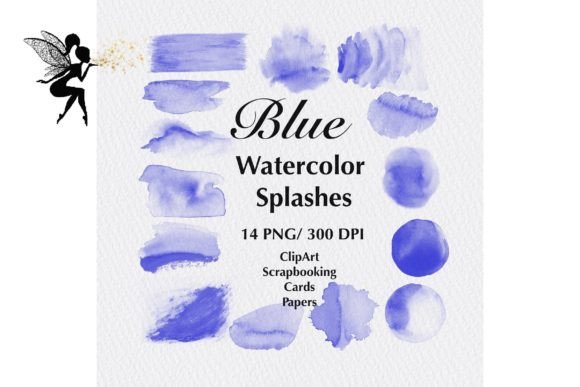
As a professional embroidery designer and product reviewer, I approach every new digital asset with a critical eye. When evaluating Blue Watercolor Splashes, Clipart, my first thought isn't just about how pretty the illustration looks on a screen; it is about how those fluid, organic shapes will translate into physical thread. Watercolor aesthetics are notoriously tricky in machine embroidery because they rely on soft gradients and irregular edges that do not naturally exist in stitch logic. However, when executed correctly, this style offers a unique, high-end artistic value that standard vector art cannot match. After reviewing this collection for potential use in client projects and shop inventory, here is my practical assessment of its viability for real-world embroidery applications.
Translating Fluid Art to Stitch Logic
The immediate visual personality of Blue Watercolor Splashes, Clipart is one of calm movement and artistic spontaneity. For an embroidery digitizer or creator, this presents both an opportunity and a challenge. The mood is undeniably modern and serene, making it ideal for contemporary custom apparel and nursery decor. However, unlike structured logos or geometric patterns, watercolor splashes lack defined boundaries. In a real-life scenario, such as preparing a custom embroidered tote bag for a boutique client, you must consider how the design interacts with the fabric grain.
If you are using this as a base for an applique design, the irregular edges work beautifully to create a raw-edge or distressed look that mimics painted fabric. Conversely, if you intend to stitch the splash directly, you need to verify the stitch density. A true watercolor effect requires variable density fill stitches to allow the fabric texture to show through, creating depth. If the digitized file uses a solid, dense satin stitch or heavy fill stitch throughout, you risk creating a stiff, bulletproof patch of thread that detracts from the delicate watercolor illusion. Always inspect the digital embroidery file to ensure the stitching strategy supports the artistic intent rather than fighting against it.
Real-World Application: The Sweatshirt Test
To truly evaluate the commercial viability of these illustrations, I mentally applied them to a current best-seller in the handmade market: the oversized crewneck sweatshirt. Let’s imagine you are an Etsy seller looking to expand your fall collection. You want to place a large blue splash across the chest with personalized text overlaid in white running stitch.
In this context, Blue Watercolor Splashes, Clipart serves as an excellent background element. The cool blue tones provide necessary contrast against neutral fleece fabrics like cream, grey, or oatmeal. From a production standpoint, this combination is efficient. The splash can be stitched out quickly if the density is optimized, while the personalization adds the high-margin value customers seek. However, caution is required regarding placement. On a curved surface like a sweatshirt yoke or cap, large fluid shapes can distort during hooping. For caps specifically, I would advise using smaller, concentrated elements of the splash clipart rather than the full composition to avoid registration issues on curved brims.
For baby embroidery projects, such as bibs or onesies, the softness of the blue palette is perfect. Yet, baby items require frequent washing. You must test whether the chosen thread colors remain vibrant and whether the stitch structure holds up to aggressive laundering. A loose, artistic fill stitch might snag easily, so ensuring proper underlay and top stitch security is non-negotiable for infant wearables.
Navigating Fabric Limitations and Stabilizer Choices
Not all fabrics are created equal when hosting watercolor-style embroidery. Based on my experience with similar artistic assets, here is where you should exercise caution:
- Stretchy Knits: Fluid designs often have long stitch runs. On jersey or ribbed knit, this can cause tunneling. Use a cut-away stabilizer and potentially a topping to keep the stitches from sinking into the pile.
- Dark Fabrics: Blue watercolor splashes may disappear on navy or black backgrounds unless you use a light underlay base or choose lighter blue thread variations. Always test contrast before committing to a full production run.
- Textured Linens: While linen complements the watercolor aesthetic, the weave can interfere with fine detail. If the clipart includes tiny droplets or thin trailing lines, they may get lost. Consider scaling up the design or simplifying small details for textured substrates.
- Sheer Organza or Tulle: These are popular for freestanding lace or window clings, but watercolor fills are typically too heavy. Reserve this clipart for opaque, medium-weight woven fabrics for best results.
When working with Blue Watercolor Splashes, Clipart, your choice of stabilizer dictates the final hand-feel. For a drapey garment like a tea towel or summer dress, aim for the lightest possible stabilizer that still prevents puckering. Heavy tear-aways will leave residue that ruins the soft, painted illusion.
Commercial Value and Brand Consistency
For creative entrepreneurs and small shop owners, consistency builds trust. Using cohesive design assets like these blue splashes helps establish a recognizable brand identity. Whether you are selling finished holiday embroidery gifts or digital printable mockups, the versatility of this clipart allows it to span multiple product categories without feeling disjointed.
However, professionalism lies in the details. Before listing any handmade product featuring this design, confirm the licensing terms. Ensure you have the right to use the clipart for commercial embroidery, especially if you plan to sell the digitized files themselves versus just the finished physical goods. Buyers engage more readily with products that look intentional. A well-placed splash that respects the garment's seams and proportions signals quality, whereas a poorly placed or overly dense design suggests amateur execution.
Essential Designer Notes for Success
Before you hoop your first piece of good fabric, adhere to these practical checkpoints to ensure Blue Watercolor Splashes, Clipart performs as expected in your specific workflow:
- Test on Scrap First: Never assume a digital preview equals a stitched reality. Run a test on the exact fabric and stabilizer combination you intend to use for the final project.
- Audit Stitch Types: Open the embroidery file in your software. Check if the splash uses complex fill stitches that mimic brush strokes or simple block fills. Adjust density manually if the design feels too rigid for your target fabric.
- Verify Hoop Size Compatibility: Watercolor splashes often come in large formats. Confirm your machine’s maximum embroidery area accommodates the design without excessive resizing, which can distort stitch angles and ruin the gradient effect.
- Thread Color Validation: Monitor lighting matters. View your thread selection in natural daylight. Blue threads can shift dramatically between indoor LED lighting and outdoor sun. What looks like a soft aqua indoors might read as stark teal outside.
- Mockup Testing: Create black and white mockups to check value contrast independent of color. If the design disappears in grayscale, it lacks sufficient definition and may need outline enhancement or shading adjustments.
- Licensing Confirmation: Double-check whether the clipart license covers commercial embroidery, digital resale, or print-on-demand integration. Protect your business by understanding usage rights before scaling production.
Ultimately, Blue Watercolor Splashes, Clipart represents a valuable asset for makers who understand the intersection of digital art and textile craft. It offers a fresh alternative to traditional florals and monograms, provided you respect the technical requirements of translating paint to thread. By approaching this design with practical testing and mindful application, you can elevate your embroidery project portfolio and offer clients something genuinely distinctive. Remember, the most successful embroidery doesn't just replicate an image; it reinterprets it for the medium of thread, honoring both the art and the fabric it lives upon.