Cherry Watercolor Clipart: An Embroidery Designer’s Review
As a professional embroidery designer and product reviewer, I approach every new digital asset with a critical eye. When evaluating Cherry Watercolor Clipart for real-world application, my primary concern is not just how beautiful the illustration looks on a screen, but how it translates into thread on fabric. In the world of Illustrations, watercolor styles are notoriously tricky to digitize effectively because they rely on soft gradients and organic edges that do not naturally exist in machine embroidery. However, when executed correctly, this specific aesthetic can elevate a simple project into a high-value boutique item. After reviewing this design package, here is my practical assessment for makers, Etsy sellers, and apparel decorators considering this asset for their next collection.
First Impressions and Visual Personality
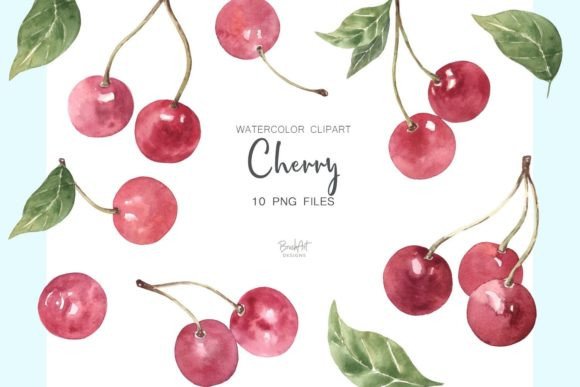
My initial reaction to the Cherry Watercolor Clipart is that it carries a distinct vintage-meets-modern charm. The visual weight feels balanced, avoiding the heavy, blocky appearance that often plagues fruit-themed embroidery files. The mood is undeniably fresh and nostalgic, making it an immediate candidate for spring and summer collections. For a handmade product, this personality is crucial; customers are drawn to designs that evoke emotion rather than generic clipart. The cherries appear lush without being overly saturated, suggesting that the digitizer understood the importance of negative space. This is vital because, in embroidery, we cannot print color; we must simulate it through stitch placement. The layout suggests versatility, allowing the elements to be grouped for a centerpiece or separated for scattered accents on items like tea towels or nursery decor.
Real-World Application: The Custom Tote Bag Test
To truly judge the viability of this design, I mentally applied it to a recent client request: a custom embroidered tote bag for a bridal party favor. Tote bags present unique challenges due to the canvas texture and the need for the design to remain legible from a distance. The Cherry Watercolor Clipart fits this use case exceptionally well because the organic shapes complement the natural weave of cotton canvas. Unlike geometric logos that can look stiff on textured fabric, the flowing lines of these cherries work with the material's grain.
In this scenario, I would utilize the design as a focal point on the lower third of the bag. The watercolor effect, likely achieved through varying stitch density and strategic color blending, would soften the industrial feel of the tote, transforming it into a cherished personalized gift. For an Etsy seller, this specific application increases perceived value. A plain tote is a commodity; a tote featuring artistic, painterly cherries is a boutique accessory. The design’s inherent softness also makes it appropriate for baby embroidery projects, such as bibs or onesies, where harsh outlines can irritate sensitive skin or look too aggressive. The gentle transitions in this clipart style suggest a digitizing approach that prioritizes comfort alongside aesthetics.
Navigating Fabric Limitations and Hoop Constraints
While the aesthetic is versatile, practical execution requires caution. Watercolor-style machine embroidery design files often contain complex layering to mimic paint washes. This means you must be vigilant about hoop size and stabilization. If you attempt to resize this design down for a small collar or cuff, you risk losing the delicate gradient details that define the watercolor look. The stitches may become too dense, causing puckering or needle breaks. I strongly advise against reducing this design below its recommended minimum dimensions. Always check the original specifications before purchasing or stitching.
Fabric choice is equally critical. On dark fabrics, watercolor effects can disappear unless there is a solid underlay or outline to provide contrast. The translucent nature of the style works best on light to medium-toned backgrounds like cream linen, white cotton, or pale denim. Stretchy fabrics, such as jersey knits used for sweatshirt embroidery, require a robust cut-away stabilizer to prevent the intricate fill stitches from distorting during wear and washing. If you are creating commercial embroidery products intended for frequent laundering, test the design’s durability first. Watercolor fills can sometimes be less secure than solid satin columns, so ensuring proper lock stitches are present in the file is non-negotiable for retail goods.
Impact on Brand Consistency and Customer Trust
For creative entrepreneurs and small shop owners, consistency builds trust. Using high-quality assets like Cherry Watercolor Clipart signals professionalism. When a customer receives a finished product where the thread colors match the digital preview and the registration is crisp, it validates their purchase. This design offers excellent potential for brand cohesion across multiple product lines. Imagine using the same cherry motif on a printable mockup for your website, a physical embroidered patch for packaging, and the actual garment. This multi-channel recognition strengthens your brand identity.
Furthermore, the artistic quality of this illustration helps differentiate your work from mass-produced alternatives. In a saturated market, buyers engage with products that feel curated and intentional. The nuanced shading in this clipart allows for more sophisticated thread colors selection, moving beyond basic primary reds into terracottas, blushes, and deep burgundies. This color complexity adds depth to the finished product, encouraging customers to view your work as art rather than mere decoration. For those selling digital embroidery file packages or using this for sublimation combined with embroidery, the clean separation of elements likely found in this clipart set facilitates easier editing and customization.
Essential Designer Notes for Success
Before you hoop up your good fabric, adhere to these professional guidelines to ensure the Cherry Watercolor Clipart performs as expected:
- Test Stitch is Mandatory: Never skip testing on scrap fabric that matches your final project’s weight and texture. Verify that the watercolor shading reads clearly and does not look muddy.
- Verify Licensing: Confirm whether your license covers commercial use for both physical products and digital assets. Terms vary significantly between personal hobbyist use and craft business applications.
- Thread Contrast Check: View your thread palette in natural lighting. Watercolor designs rely on subtle shifts; ensure your chosen threads have enough contrast to distinguish the fruit from the leaves and shadows.
- Stabilizer Selection: Match your stabilizer to the fabric, not just the design. A tear-away might suffice for woven cotton, but a fusible poly-mesh is safer for preserving detail on knits.
- Mockup Accuracy: If using this for design assets in listings, ensure your digital mockups accurately represent the stitched texture. Misleading smooth vector previews can lead to returns when customers expect painted perfection.
- Check File Integrity: Before buying, verify the included formats are compatible with your machine. Also, inspect the design in software to ensure no jump stitches cross over visible areas unnecessarily.
Ultimately, Cherry Watercolor Clipart represents a strong contender for makers seeking to add artistic flair to their repertoire. It bridges the gap between traditional needlework aesthetics and modern digital convenience. By respecting the technical requirements of translating watercolor art into thread, you can leverage this design to create stunning, profitable, and professionally finished goods that resonate with today’s discerning handmade market.