Tropical Charm in Every Stitch: A Designer’s Take on Watercolor Tropical Fruits Arrangements
First Impressions: Lively, Soft, and Versatile
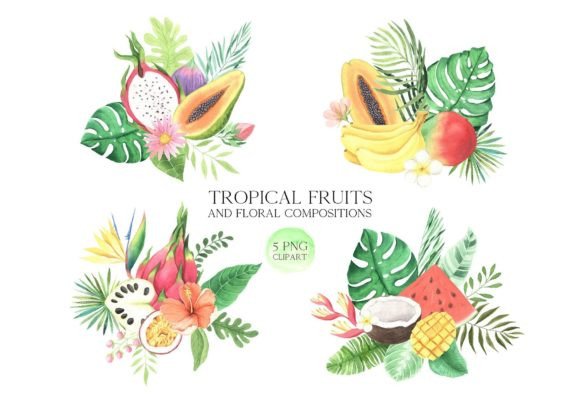
When I first opened the Watercolor Tropical Fruits Arrangements embroidery file, I was struck by its fresh, painterly feel. The design carries a breezy, organic energy that’s both cheerful and elegant. It doesn’t scream tropical cliché; instead, it whispers warmth with soft edges and watercolor-style blending. This is the kind of embroidery design that could work for a boutique summer collection or a personalized baby onesie with equal ease.
The layout is well-balanced—fruits like pineapples, mangoes, and citrus slices are arranged in a way that feels natural, not forced. There’s a subtle movement in the composition that suggests it was thoughtfully crafted, not just digitally generated. As a designer, that matters. It gives the design longevity and a handmade appeal that customers appreciate.
Real-World Use: From Tote Bags to Sweatshirts
I tested this design on a few different fabric types and product formats, starting with a simple cotton tote bag. The watercolor style translated beautifully into embroidery, especially with a mid-range thread count that allowed the colors to blend without muddying the details. On a tote, this design becomes an instant statement piece—perfect for a boutique or a custom gift.
Next, I stitched it onto a lightweight sweatshirt. The softness of the original illustration helped the design avoid looking too busy, even with multiple thread colors. It held up well under stretch, and the stitch types—likely a mix of satin and fill—maintained their integrity across the curved surface of the garment.
One of the most surprising successes was on a baby burp cloth. The design’s gentle curves and muted tones felt appropriate for a gender-neutral baby item. It added a touch of sophistication without overwhelming the small space.
Where It Shines: Embroidery Projects That Benefit Most
- Custom apparel – Especially for women’s tees and summer dresses
- Personalized gifts – Think embroidered pillows or kitchen towels with names added
- Small shop merchandise – Patches, embroidered cards, or print-and-stitch kits
- Boutique branding – Perfect for packaging or tags that echo a hand-painted aesthetic
- Printable mockups – The watercolor style renders well in digital previews for Etsy or Shopify listings
What I appreciate most is how Watercolor Tropical Fruits Arrangements adapts to different color palettes. I swapped out the default thread colors for a pastel version and a darker, moodier set, and both worked. That kind of flexibility makes this design a strong asset for designers creating multiple product variations.
Watch These Areas: Fabric, Size, and Detail Considerations
While the design is versatile, there are some practical limits to keep in mind. On a small hoop—say, 4x4 inches—the fruit details start to get lost. You can still use it, but you’ll want to simplify or remove some elements to avoid overcrowding.
Textured fabrics like linen or burlap tend to mute the softness of the watercolor effect. If you’re going for a rustic look, that might work in your favor. But if you want the design to pop, stick to smoother weaves like quilting cotton or sateen.
Stretchy fabrics also pose a challenge. The satin stitch outlines can pucker slightly if the stabilizer isn’t up to the task. Always test on a similar fabric before committing to a client project.
Dark fabrics are another consideration. The light tones in the original design don’t always translate well to black or navy backgrounds without a white underlay. I’d recommend a test hoop in black and white mockups before production.
Impact on Product Value and Customer Appeal
From a business standpoint, Watercolor Tropical Fruits Arrangements has the potential to elevate your product line. It reads as high-end without being overly complex, which is perfect for small shop owners or Etsy sellers trying to balance quality with efficiency.
Customers respond well to soft, artistic designs—especially in the current market, where handmade and artisanal aesthetics are in demand. This design gives that impression without requiring advanced embroidery techniques. It’s approachable for beginners and satisfying for more experienced stitchers.
For digital product sellers, including this in a bundle with mockups or templates could increase its perceived value. It also works well as a standalone digital embroidery file for those who want to create their own branded merchandise or seasonal items.
Designer Notes: What to Check Before Stitching
- Test on scrap fabric – Always, especially with textured or stretchy materials
- Check thread color contrast – The design looks best when thread shades are distinct but harmonious
- Review stitch density – Avoid heavy buildup in the fruit interiors unless you’re using stable fabric
- Confirm hoop size compatibility – Especially if you’re planning to resize the design
- Inspect small details – Leaves and thin outlines may need adjustment on smaller hoops
- Use proper stabilizer – Lightweight tear-away or lightweight cutaway works best
- Confirm licensing – Make sure it’s cleared for commercial use if you plan to sell finished items or digital products
One thing I always do with watercolor-style embroidery is test it in black and white first. It helps me see the value structure and adjust contrast before diving into color work. The same applies here—this design has strong tonal variation that holds up even without color.
Final Thoughts: A Solid Addition to Any Embroidery Library
Overall, Watercolor Tropical Fruits Arrangements is a well-crafted, versatile embroidery design that fits a wide range of real-world applications. Whether you’re creating custom apparel, personalized gifts, or small shop merchandise, it brings a touch of artistry that elevates your finished product.
It’s not a one-size-fits-all solution—no embroidery file ever is—but with thoughtful use and a bit of testing, it can become a go-to design in your creative toolkit. For designers and sellers looking to blend trendiness with timelessness, this might just be the right stitch in the right place.