Watercolor Back to School and Animals Clipart Review
As an embroidery digitizer and product reviewer, I approach every new set of illustrations with a specific question: will this actually stitch out well, or is it just pretty on a screen? When evaluating Watercolor Back to School and Animals Clipart, my focus shifts immediately from digital aesthetics to tangible production value. This collection sits in the Illustrations category, but for makers and Etsy sellers, its true worth lies in its adaptability as a machine embroidery design source. The soft, painted aesthetic evokes nostalgia and warmth, creating an immediate emotional connection that is perfect for the back-to-school season. However, translating watercolor gradients into thread requires careful consideration of stitch density and fabric choice.
First Impressions and Emotional Resonance
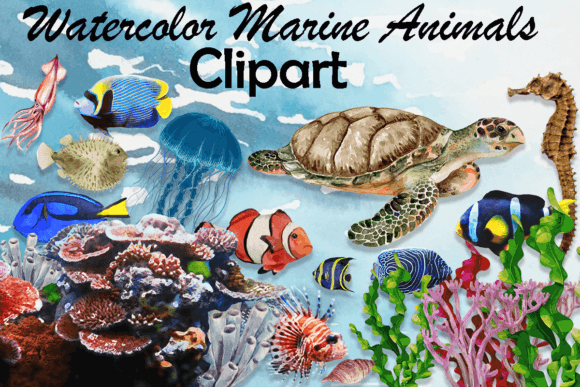
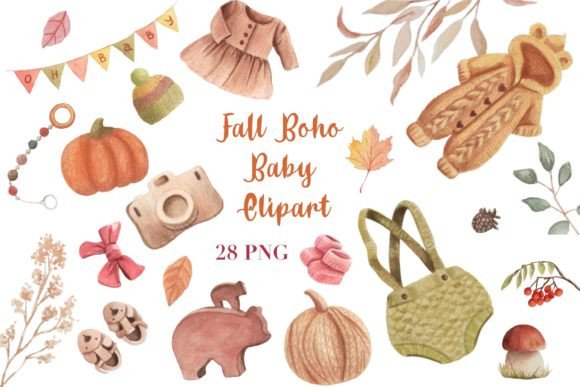
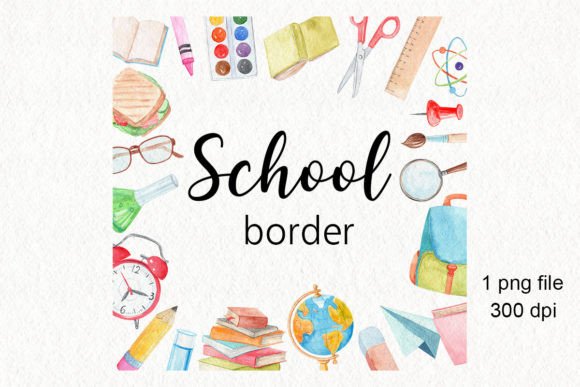
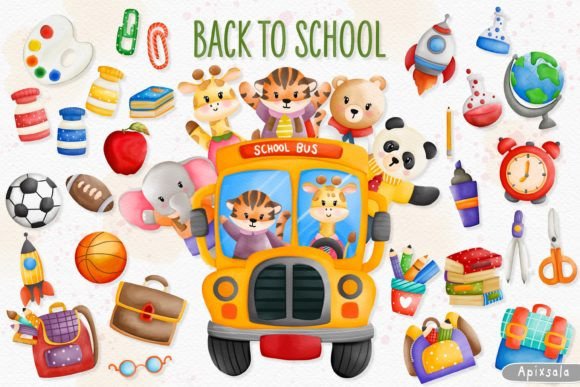
The visual personality of this clipart set is undeniably charming. It balances playful animal characters with academic motifs like books, pencils, and backpacks without feeling cluttered or overly juvenile. For a handmade product creator, this mood is gold. It suggests versatility; these aren't just designs for toddlers, but refined illustrations suitable for teacher gifts, boutique apparel, and nursery decor. As design assets, they possess a "hand-painted" quality that elevates perceived value. Customers associate watercolor styles with artisanal care, distinguishing your finished product from mass-produced, generic school merchandise. When browsing these files, I look for clean lines within the wash effect, ensuring the artwork has enough definition to survive the transition from pixel to stitch.
Real-World Application: The Custom Sweatshirt Test
To truly judge utility, I mentally placed these illustrations onto a real project: a custom embroidered sweatshirt for a local PTA fundraiser. Sweatshirt embroidery presents unique challenges due to the fleece texture and stretch. In this scenario, the Watercolor Back to School and Animals Clipart shines if treated correctly. The organic shapes of the animals allow for creative placement that doesn't fight the garment's drape. Unlike rigid geometric logos, these illustrations can be positioned off-center or cascading down a sleeve for a modern, boutique look.
For this specific application, I would utilize these as applique design foundations. Using a satin stitch border to define the animal shapes while filling the interior with light fill stitches preserves the watercolor illusion without creating a bulletproof patch of thread. This technique reduces stitch count significantly, keeping the sweatshirt soft and wearable. If you are an Etsy seller offering personalized gifts, this approach allows for faster turnaround times and higher profit margins compared to dense, full-coverage embroidery. The combination of academic themes with cute animals also broadens your target demographic, appealing to both parents buying for kids and teachers buying for themselves.
Navigating Fabric Limitations and Hoop Sizes
While versatile, this style demands respect for material constraints. Watercolor effects rely on color blending, which can get lost on highly textured fabrics like terry cloth or thick canvas. On a tote bag design, the coarse weave might obscure delicate facial details on the animal illustrations. In such cases, I recommend simplifying the design or using a heavier running stitch outline to maintain clarity. Conversely, on thin or stretchy knits like baby clothes, high stitch density is the enemy. You must verify that the embroidery file has been optimized for lightweight materials to prevent puckering or fabric distortion.
Hoop size is another critical factor. These illustrations likely vary in complexity. A detailed scene featuring multiple animals and school supplies may require a larger hoop, whereas individual icons work beautifully in 4x4 hoops for small patches or collar accents. Always confirm the dimensions before purchasing. For cap embroidery, avoid complex watercolor scenes entirely; the curved surface and limited flat stitching area make gradient shading nearly impossible to execute cleanly. Stick to simpler, bolder elements from the set for headwear, saving the intricate compositions for flat surfaces like pillow covers or tea towels.
Technical Considerations for Stitch Clarity
The biggest risk with watercolor-style machine embroidery designs is muddiness. Digital blending does not always translate to thread layering. Before committing to a commercial embroidery run, you must test the design on scrap fabric identical to your final product. Check how the thread colors interact; sometimes, what looks like a soft shadow digitally becomes a harsh line of contrasting thread physically. Review the stitch density map in your software. Areas intended to look transparent should have lower density, while focal points like eyes or text need tighter coverage.
Stabilizer choice is non-negotiable here. For the best results with Watercolor Back to School and Animals Clipart, use a cut-away stabilizer for stretchy apparel to support the varying stitch weights. For woven items like aprons or kitchen towels, a tear-away may suffice, but only if the design isn't overly dense. If you plan to offer these as digital embroidery files to other crafters, ensure you include notes on recommended stabilizers and thread colors. Professionalism in this niche means providing technical guidance alongside the art, building trust with fellow makers who rely on your expertise for their own small shop products.
Commercial Viability and Brand Consistency
For creative entrepreneurs, licensing and brand alignment are as important as stitch quality. Verify whether the license permits selling finished physical products versus digital files. Many illustration sets allow for handmade sales but restrict reselling the digital embroidery file itself. Understanding this distinction protects your business. Furthermore, consider how these designs fit your existing catalog. Do they match the color palette and style of your current holiday embroidery or baby embroidery listings? Consistency builds brand recognition. If your shop specializes in minimalist line art, introducing heavy watercolor fills might confuse customers. However, if your brand focuses on whimsical, colorful children's items, this set is a strategic addition.
When creating printable mockups for your listings, accuracy is key. Don't just overlay the digital image; use software that simulates thread texture or, better yet, photograph a physical sample. Buyers need to see how the Watercolor Back to School and Animals Clipart actually renders in thread. Show close-ups of the stitch texture and photos of the item in use. This transparency reduces returns and increases buyer confidence. For those selling at craft fairs, having a physical sample stitched in these designs serves as a powerful visual merchandising tool, demonstrating the premium quality of your work compared to printed alternatives.
Designer Notes for Successful Execution
Before launching any project featuring this collection, adhere to this practical checklist:
- Test Stitch First: Never run a production batch without a sew-out on the exact fabric and stabilizer combination you intend to use.
- Contrast Check: View the design in black and white mode in your embroidery software to ensure details remain distinct without relying solely on color variation.
- Scale Appropriately: Avoid shrinking detailed illustrations below their recommended size; tiny watercolor elements turn into thread blobs.
- Thread Selection: Matte threads often replicate watercolor paint better than high-sheen rayon, which can look too plastic for this artistic style.
- Licensing Audit: Double-check terms regarding commercial use for both physical goods and digital asset resale.
- Fabric Pairing: Match smooth fabrics with detailed designs and textured fabrics with simplified versions.
Ultimately, Watercolor Back to School and Animals Clipart offers immense potential for the prepared embroiderer. It bridges the gap between seasonal trend and timeless charm, provided you apply technical discipline to the artistic vision. By respecting the limitations of thread and fabric, you transform digital illustrations into heirloom-quality embroidered patches, apparel, and gifts that customers cherish. Whether you are updating your Etsy shop for the fall rush or creating a signature line for a boutique, success lies in the thoughtful intersection of art and engineering.