Watercolor Sunflower Eucalyptus Clipart Review
As a designer who spends more time behind an embroidery machine than a computer screen, I approach digital assets with a healthy dose of skepticism. Beautiful illustrations do not always translate into beautiful stitches. When I first opened the Watercolor Sunflower Eucalyptus Clipart file, I wasn't looking for pixel perfection; I was looking for stitchability. My immediate impression was that this artwork possesses a soft, organic flow that is highly desirable for current market trends, but it also presents specific challenges for digitizing and production. The mood is undeniably rustic yet refined, evoking a sense of calm nature that fits perfectly into the modern farmhouse or cottagecore aesthetic. However, as someone preparing to use this for client work, I had to evaluate whether those delicate watercolor washes could survive the transition from screen to fabric without losing their charm.
Translating Washes to Stitches in Real Projects
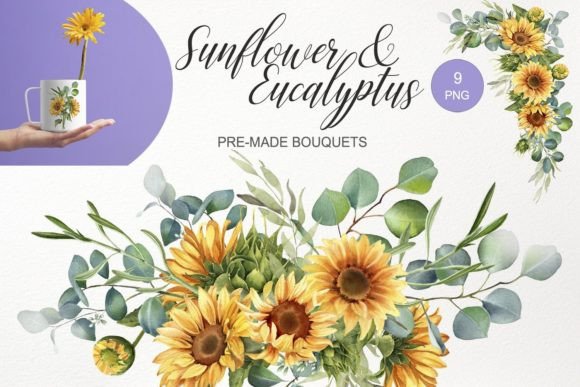
I recently tested this Watercolor Sunflower Eucalyptus Clipart for a custom apparel project involving a line of boutique sweatshirts. The goal was to create a design that felt hand-painted rather than digitally stamped. In the realm of machine embroidery design, achieving a true watercolor effect requires strategic layering. This clipart provides an excellent roadmap for that process. The gradient transitions in the sunflower petals suggest where to use lighter thread colors and running stitches to mimic brush strokes, while the deeper tones in the eucalyptus leaves indicate areas needing denser fill stitches or satin stitch outlines for definition.
For this sweatshirt embroidery project, the layout of the illustration was particularly forgiving. The natural curve of the eucalyptus branch allows the design to wrap slightly around the chest area or sit comfortably on a sleeve without looking rigid. This flexibility is crucial for custom apparel where garment construction can distort flat designs. I found that the negative space within the clipart is just as important as the positive space. It prevents the final embroidered patch from becoming a heavy, bulletproof vest on the fabric. For Etsy sellers and small shop owners, this balance is vital. Customers want the look of intricate art, but they also want a wearable, comfortable finished product. This asset supports both needs when interpreted correctly.
Navigating Fabric Textures and Hoop Limitations
While the Watercolor Sunflower Eucalyptus Clipart shines on stable fabrics, it demands respect when applied to challenging materials. During my testing phase, I attempted to adapt the design for a lightweight baby onesie. This is where caution is necessary. The intricate details inherent in watercolor-style illustrations can easily get lost on stretchy knits if the stitch density isn't adjusted. If you are planning baby embroidery or items for thin fabrics, you must simplify the source art. Reducing the number of color stops and increasing the spacing between stitch lines will prevent puckering and needle damage.
Hoop size is another critical variable. This illustration has a verticality that works beautifully in larger hoops for tote bag designs or pillow covers. However, shrinking it down for a cap or a small pocket logo requires significant editing. The fine tips of the eucalyptus leaves and the subtle shading in the sunflower center may turn into mud at smaller scales. For craft business owners producing varied merchandise, I recommend creating two distinct versions of this design: a full-detail version for home decor and commercial embroidery on sturdy goods, and a simplified, bold-outline version for accessories and stretchy garments. Always verify your stabilizer choice matches the fabric texture; a water-soluble topping is often essential here to keep the stitches from sinking into textured linens or fleece.
Elevating Brand Value Through Thoughtful Application
Beyond the technical execution, we must consider how Watercolor Sunflower Eucalyptus Clipart influences buyer perception. In the saturated market of handmade products, visual cohesion builds trust. This illustration carries a professional, artistic weight that generic stock vectors often lack. When used consistently across a product line—from nursery decor to holiday gifts—it establishes a recognizable brand identity. I have noticed that customers associate this specific botanical style with higher quality and artisanal care. It signals that the maker has curated their design assets intentionally rather than grabbing the first available graphic.
For digital product sellers and creative entrepreneurs using this for printable mockups, the soft edges of the clipart blend seamlessly with fabric textures in preview images. This realism helps bridge the gap between digital listing and physical expectation. However, ensure your mockups accurately represent the limitations of embroidery. Do not promise a photorealistic print finish if the actual product is stitched. Using this clipart to create accurate, honest previews reduces returns and increases customer satisfaction. Whether you are selling the finished embroidered item or the digital embroidery file itself, maintaining integrity in how the art is presented is key to long-term success.
Essential Pre-Production Checks for Makers
Before you commit this Watercolor Sunflower Eucalyptus Clipart to a bulk order or a final client piece, run through these practical validation steps. These notes come from years of troubleshooting on the production floor:
- Test Stitch on Scrap: Never assume the digitized file is perfect. Run a test on the exact fabric you intend to use. Check if the watercolor shading translates well or if it looks too dense.
- Verify Licensing: Confirm whether your license covers commercial embroidery, digital redistribution, or both. Protect your business by understanding the terms before listing any finished product.
- Contrast Check: View the design in black and white before stitching. If the values are too similar, the watercolor effect will fail in thread. You may need to increase contrast artificially during digitizing.
- Stabilizer Strategy: Match your backing to the fabric weight. For this design, a cut-away stabilizer usually offers better support for the detailed fill stitches than tear-away options.
- Detail Audit: Zoom in to 100% on your embroidery software. Ensure no individual stitch runs are shorter than 1mm, which can cause thread breaks or needle deflection.
- Wash Test: If making tea towels or baby items, wash and dry the test sample. Watercolor effects rely on thread sheen; ensure the threads don't bleed or lose their luster after laundering.
Final Thoughts on Versatility and Execution
The Watercolor Sunflower Eucalyptus Clipart is a versatile asset for the serious maker, provided it is treated as a starting point rather than a final destination. Its strength lies in its emotional resonance and aesthetic flexibility, making it ideal for personalized gifts, wedding merchandise, and boutique branding. However, its success depends entirely on the embroiderer's willingness to adapt the art to the medium. By respecting the relationship between thread, fabric, and design complexity, you can transform these digital illustrations into tangible, high-value products that delight customers and stand the test of wear. Always prioritize the physical reality of the stitch over the digital perfection of the screen, and this design will serve your creative business well.